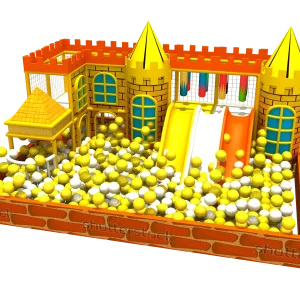
Plastic play houses have become a beloved staple in backyards and playrooms, and for good reason. They offer a unique mix of practicality, durability, and fun that both kids and parents appreciate.
First and foremost, plastic is inherently durable. These play houses can withstand rough-and-tumble play, from climbing and leaning to occasional bumps. Unlike wooden alternatives, they resist rot, warping, and insect damage, even when left outdoors year-round. Rain, sun, or snow—plastic play houses hold up well, maintaining their shape and structure for years.
Another key advantage is their ease of assembly. Most plastic play houses come with simple instructions and snap-together parts. No complicated tools or advanced DIY skills are needed; parents can put them together in an hour or less. This convenience saves time and frustration, getting the playhouse ready for kids to enjoy quickly.
Cleaning and maintenance are also a breeze with plastic play houses. A quick wipe with a damp cloth or a rinse with a hose is all it takes to remove dirt, mud, or spills. They don’t require painting, staining, or regular upkeep, making them low-maintenance for busy families.
Safety is another highlight. High-quality plastic play houses are designed with smooth edges, non-toxic materials, and stable bases to prevent tipping. They’re lightweight enough to move easily but sturdy enough to keep kids safe during play, giving parents peace of mind.
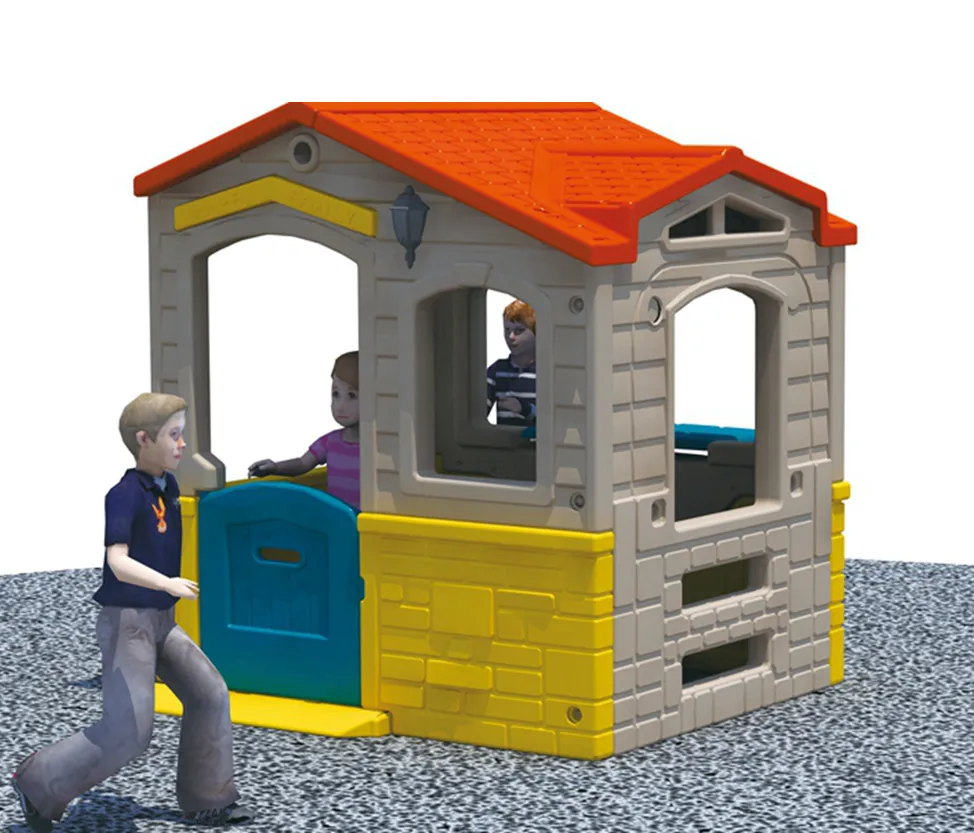
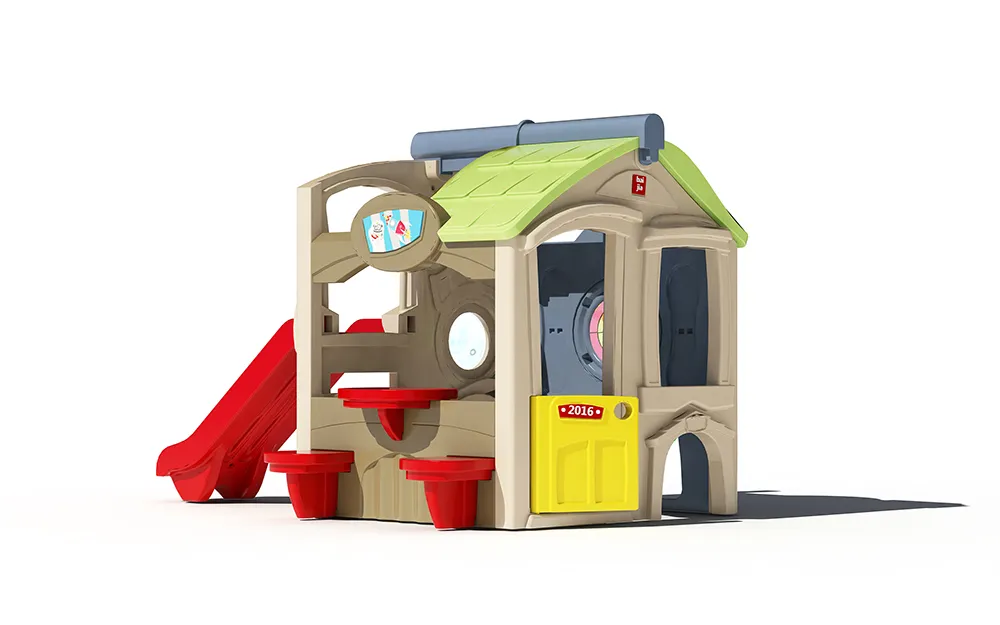
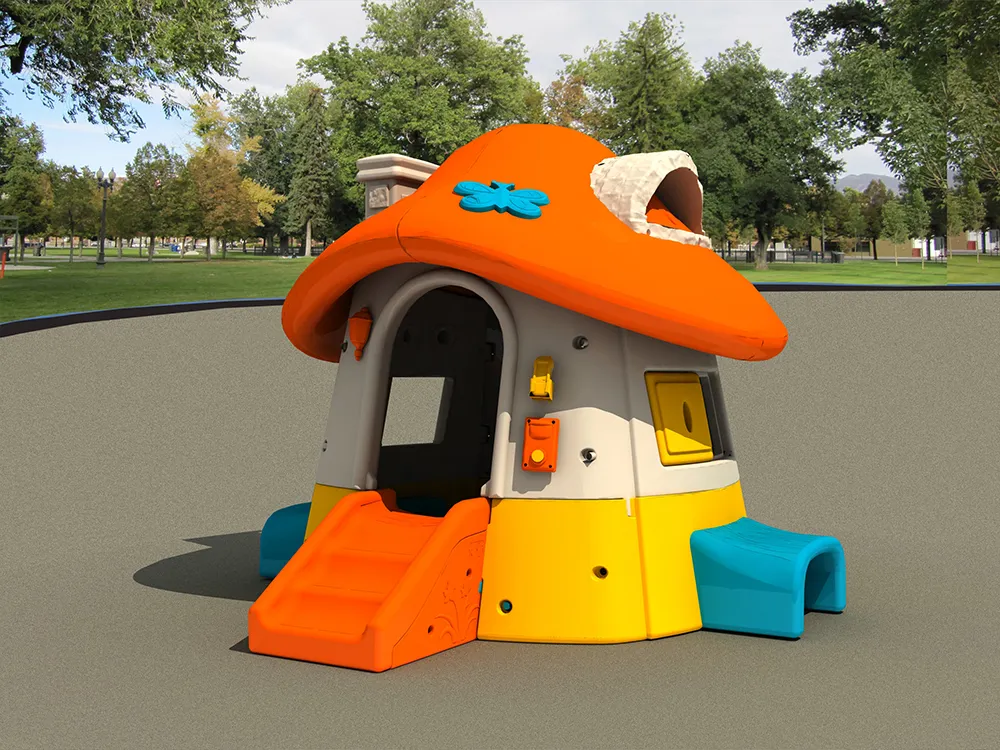
Lastly, plastic play houses come in vibrant colors and fun designs that spark kids’ imaginations. From tiny cottages to playful castles, they create a dedicated space for pretend play, encouraging creativity and social skills as kids explore, role-play, and interact with friends.
In short, plastic play houses combine durability, convenience, safety, and fun—making them a smart, long-lasting investment for any family looking to enrich their child’s playtime.